

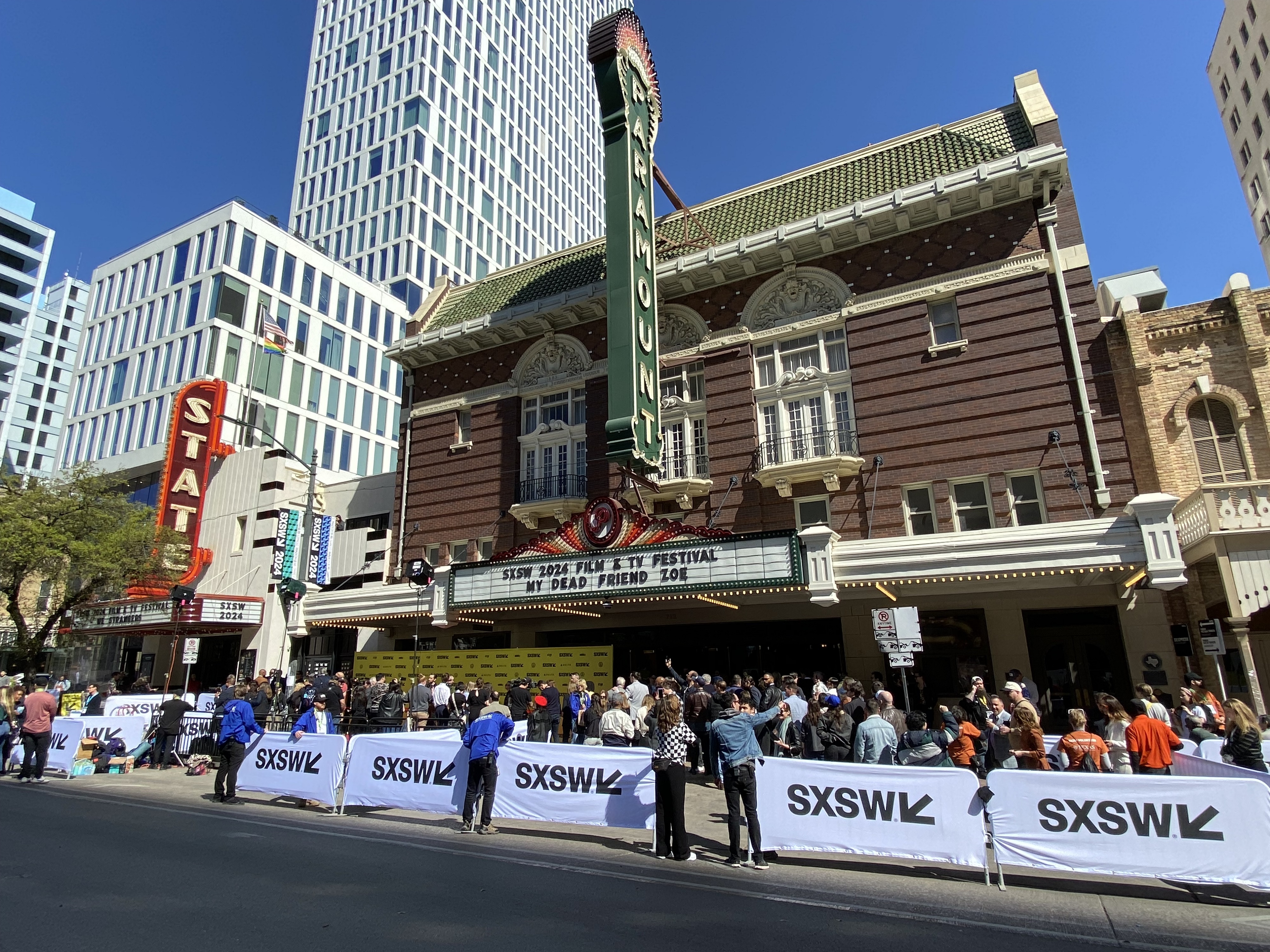
SXSW is a dynamic conference full of innovators and creators: the perfect place to showcase the wide variety of efforts in the space industry — and Aerospace's role in advancing them.
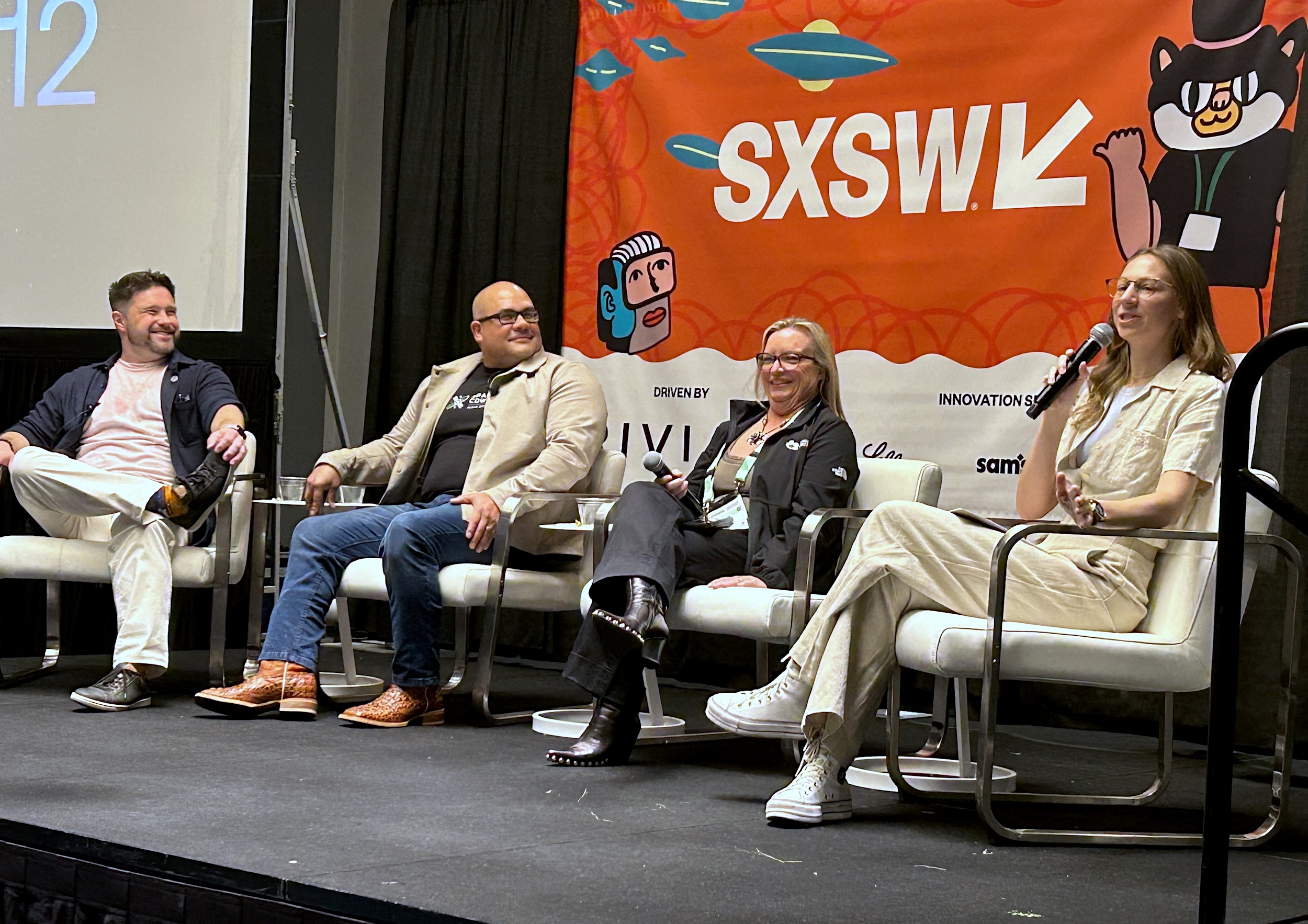
This year at SXSW, Aerospace experts took part in three panels across a variety of topics. First, COSMIC consortium external relations lead Parker Wishik moderated a discussion on in-space servicing, assembly, and manufacturing (ISAM), entitled "The Companies Building and Automating Space’s Superhighway."
The panel featured three ISAM companies — Starfish Space, Rendezvous Robotics and Space Cowboy — and touched on funding, collaboration, and the need to demonstrate tech on orbit.
“The concept of using this tech in space is not new,” Wishik said. “It's just that there are so many more companies out there building things and trying to get them bought and flown in space—their technology is what we're proving out in space now. And that can be a challenge that a startup has to overcome when they're trying to generate confidence in their business model and their technology. This is a community that is advancing in uncharted territory and they're doing it together.”
As it tracks more than a hundred companies actively working on ISAM tech, for which COSMIC has said on-orbit test infrastructure is a critical need. Aerospace's forthcoming prototype, Edge Node, may soon serve as a relevant testbed, Wishik explained.
Next, at the conference's new Space House venue, policy analyst Katie Melbourne joined a panel on the future of autonomy in space. The participants discussed the opportunities and risks of automating space operations, as well as the need for precision in how missions and capabilities are described and designed.
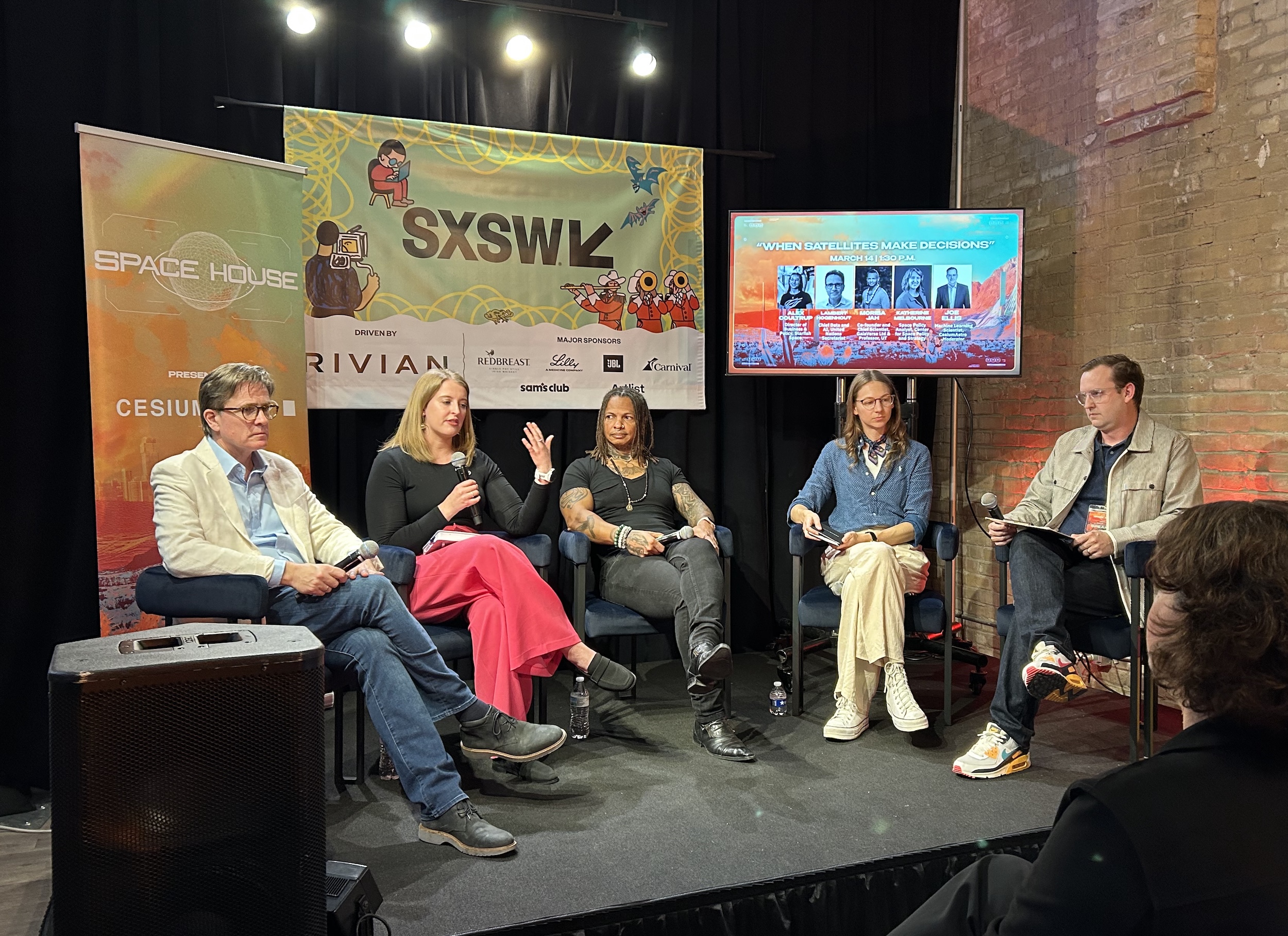
"I think it's really important that people people figure out why they're trying to use AI," Melbourne said. "Are we trying to use AI to make a system more self-sufficient? To better enable human decision making, or decision making on board if there's not self-sufficiency? I'm less concerned about specific uses and more concerned that, particularly from a security and safety standpoint, things could become potentially escalatory if you don't have a human also involved in decision making."
The panel called for realism and specificity in AI applications, both of which tend to be in short supply in the much-hyped industry but are crucial for any deployment in space. You can check out the whole thing at the video link here or below.
Then it was time for an affecting conversation on the importance of (and threats to) Dark and Quiet Skies with Lindsay DeMarchi. This concept refers to the need in science and perhaps in humanity for a view of the stars that is at least occasionally uncluttered by highly reflective satellites.
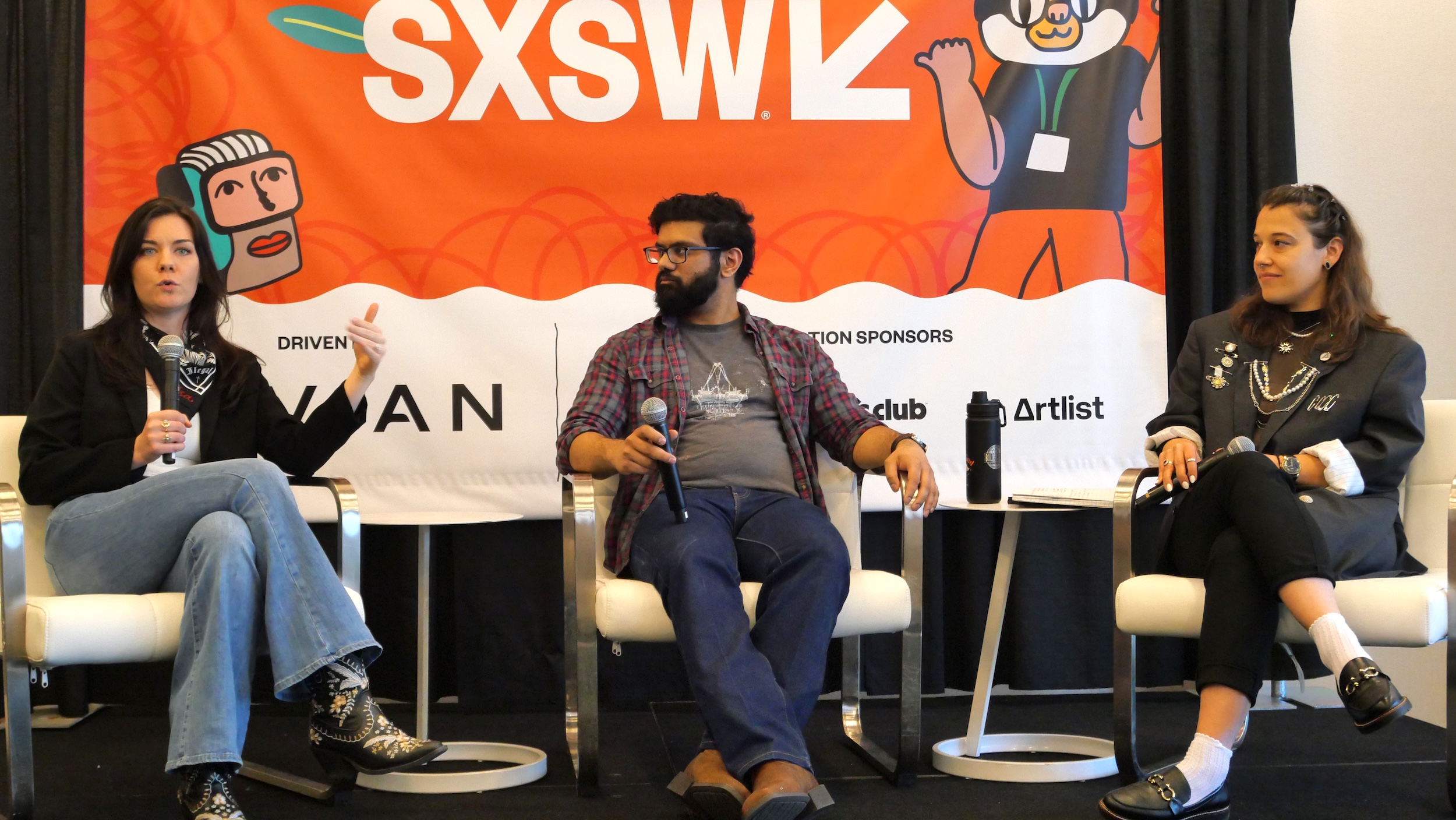
"Astronomy is where we go to ask the biggest questions," DeMarchi said, pointing out that countless fundamental questions about the cosmos remain under investigation — and that those investigations are being impacted by satellite traffic. "So many of us live under light polluted skies from cities, you may not know that there are now so many satellites in the sky that are so bright that you cannot stand on a place on the planet and escape the view of a man-made object."
Mitigating this is a difficult technical problem, and one that requires considerable support from extremely limited testing facilities, DeMarchi pointed out.
Next year should bring even more space content to SXSW — at Space House, on the SXSW stage, and beyond.